
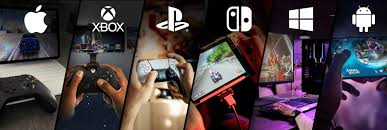
Introduction: A Defining Year for Gaming
The gaming industry has hit a turning point. In 2026, cloud gaming is no longer an experiment or a niche convenience—it’s the dominant force reshaping how games are played, distributed, and monetized. As internet infrastructure matures and cloud platforms deliver console-level performance without expensive devices, physical gaming hardware is steadily fading into the background.
This shift isn’t just technological; it’s cultural. Gamers are choosing freedom over ownership, access over assets, and instant play over long setup times. In this article, we’ll explore why cloud gaming wins in 2026, what’s driving the decline of traditional hardware, and what the future holds for gamers, developers, and the industry as a whole.
What Is Cloud Gaming?
Cloud gaming allows players to stream games directly from remote servers to their devices—similar to how Netflix streams movies. Instead of running games locally on consoles or gaming PCs, all the heavy processing happens in powerful data centers.
Players only need:
- A stable internet connection
- A compatible device (phone, tablet, smart TV, or low-end PC)
- A controller or keyboard
Major cloud gaming platforms in 2026 include:
- Xbox Cloud Gaming
- NVIDIA GeForce NOW
- PlayStation Cloud
- Amazon Luna
- Google’s revived cloud partnerships
Why Cloud Gaming Wins in 2026
1. Internet Speeds Finally Caught Up
The biggest barrier to cloud gaming used to be latency. In 2026, that problem is largely solved.
Thanks to:
- 5G Advanced & early 6G rollout
- Global fiber expansion
- Edge computing closer to users
Cloud gaming now delivers low-latency, high-frame-rate gameplay, even for competitive titles. Input lag—once the biggest criticism—is now nearly indistinguishable from local hardware for most players.
2. No More Expensive Hardware Upgrades
Traditional gaming demands constant investment:
- New consoles every 6–7 years
- GPU upgrades every 2–3 years
- Storage, cooling, and maintenance
Cloud gaming removes all of that.
In 2026:
- A $200 phone can run AAA games at ultra settings
- Smart TVs stream games natively
- Chromebooks rival gaming PCs for playability
This affordability has massively expanded the global gaming audience, especially in emerging markets.
3. Instant Access Beats Ownership
Modern gamers value convenience over collection.
With cloud gaming:
- No downloads
- No patches
- No installations
- No storage limits
Click and play. That’s it.
Subscription models now offer hundreds of games on demand, making physical discs and even digital downloads feel outdated. Ownership is being replaced by access, just like music and video streaming before it.
4. Cross-Device, Cross-Platform Freedom
Cloud gaming shines in flexibility.
In 2026, players seamlessly:
- Start a game on a TV
- Continue on a phone during commute
- Finish on a laptop
Save files sync instantly. Hardware no longer defines the gaming experience—the account does.
This freedom is something physical hardware simply can’t match.
The Decline of Physical Gaming Hardware
Consoles Are Losing Their Central Role
While consoles still exist in 2026, they’re no longer essential.
Most major console manufacturers now:
- Market consoles as premium local options
- Bundle cloud access as a primary feature
- Focus more on services than devices
Sales growth has slowed, and hardware profit margins continue to shrink.
Gaming PCs Face a Niche Future
High-end gaming PCs remain popular among:
- Esports professionals
- Modding communities
- Hardcore enthusiasts
But for the average gamer, cloud platforms now deliver comparable performance without:
- $2,000 builds
- Driver issues
- Power consumption concerns
As a result, gaming PCs are becoming a luxury hobby, not a necessity.
Physical Game Media Is Nearly Obsolete
Discs and cartridges are rapidly disappearing.
Retailers report:
- Reduced shelf space for physical games
- Shift toward digital codes and subscriptions
- Declining production of boxed editions
In 2026, physical copies survive mainly as collector’s items, not mainstream products.
Benefits of Cloud Gaming for Developers and Publishers
Cloud gaming doesn’t just benefit players—it transforms development too.
Lower Piracy and Better Security
Games run on secure servers, drastically reducing piracy and cheating.
Easier Updates and Live Services
Developers push updates instantly, without worrying about fragmented hardware.
Broader Reach
One version of a game runs everywhere, expanding global reach without platform limitations.
This efficiency makes cloud-first development the new industry standard.
Challenges Cloud Gaming Still Faces
Despite its dominance, cloud gaming isn’t perfect.
Internet Dependency
Offline gaming remains a weakness. Regions with unstable connections still struggle.
Data Usage
High-quality streaming consumes significant bandwidth, raising concerns in capped data markets.
Ownership Concerns
Some gamers still prefer owning games outright rather than relying on subscriptions.
However, these challenges are shrinking as infrastructure improves and hybrid models emerge.
Hybrid Gaming: The Transitional Phase
2026 isn’t the end of hardware—it’s the transition.
Many players now use:
- Cloud gaming for daily play
- Local hardware for offline or competitive sessions
This hybrid approach mirrors the shift from DVDs to streaming, where physical media faded gradually, not overnight.
The Environmental Impact
Cloud gaming also supports sustainability goals.
Reduced hardware manufacturing means:
- Less electronic waste
- Lower carbon footprint
- Longer device lifespans
Data centers increasingly run on renewable energy, making cloud gaming a greener alternative to constant hardware upgrades.
What the Future Holds Beyond 2026
Looking ahead:
- AI-powered cloud optimization will further reduce latency
- VR and AR cloud streaming will expand
- Hardware will evolve into optional accessories, not requirements
By 2030, gaming hardware may resemble vinyl records—cherished by enthusiasts but unnecessary for most users.
Final Thoughts: A New Gaming Era Has Arrived
Cloud Gaming wins in 2026 because it aligns perfectly with modern expectations: instant access, affordability, flexibility, and freedom. Physical hardware isn’t gone—but its dominance is.
Just like streaming transformed movies and music, cloud gaming is transforming play itself. The controller still matters. The games still matter. But the box under the TV? Not so much anymore.
The future of gaming lives in the cloud—and in 2026, that future has officially arrived.